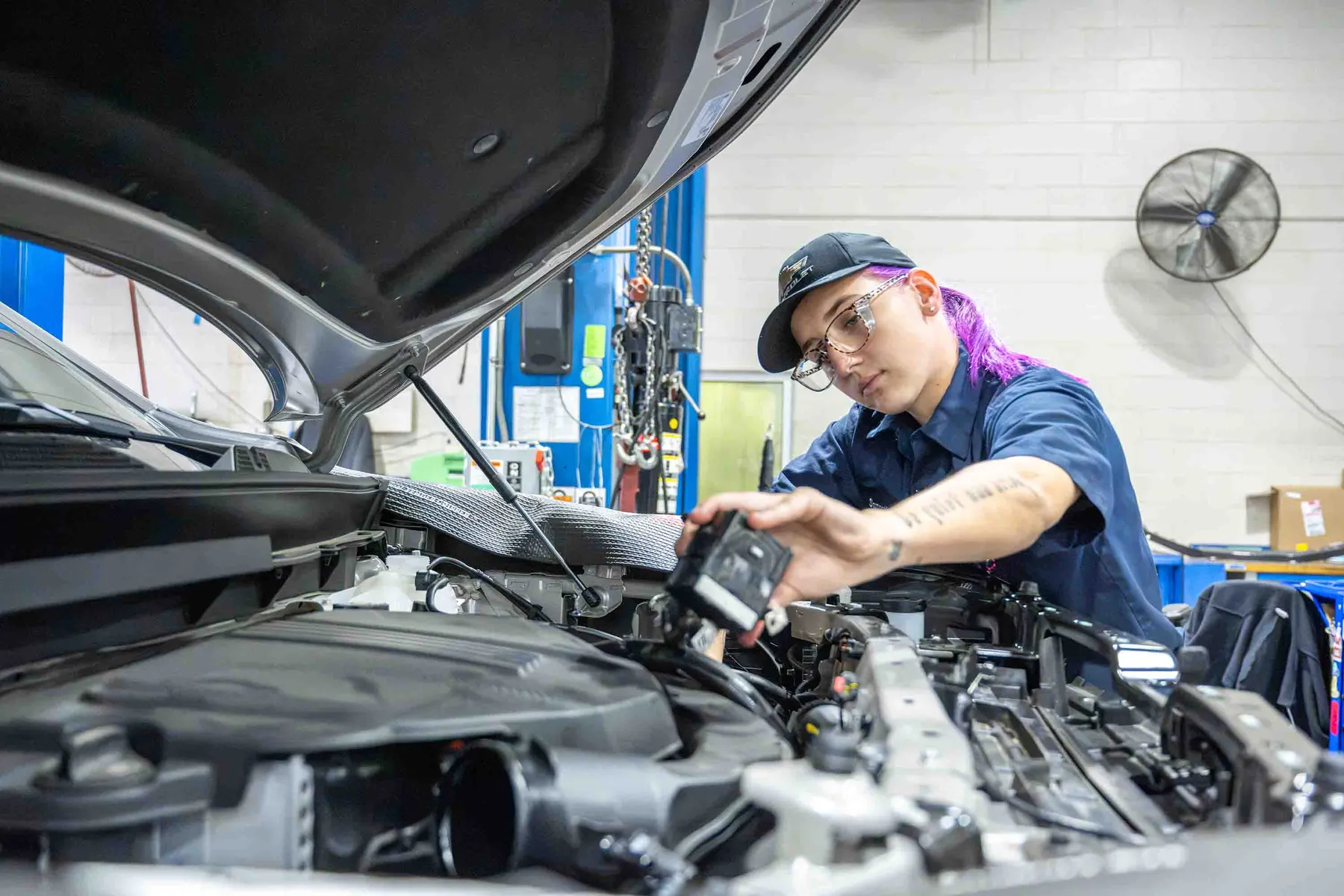
New York State Inspection: What to Know
New York State inspection explained: how often it is due, what is checked, what it costs in Westchester, and how to avoid a failed sticker, from Bedford Hills.
By Brian Klug
Service Manager, GMC Bedford Hills
Reviewed by Lawrence V. Parisi, Executive Manager, GMC Bedford Hills
Updated · 6 min read
Key points
- Every vehicle registered in New York must be inspected at least once every 12 months, before the current sticker expires.
- Most cars get a safety inspection plus an emissions check. In Westchester, part of the New York Metropolitan Area, that emissions check is the OBD II test for most 1996 and newer light vehicles.
- The DMV sets the maximum fees an inspection station may charge, and a station may charge less. Check the DMV fee chart for current figures.
- A lit check engine light, worn brakes or worn tires are among the most common reasons a vehicle fails, so fix those before the visit.
Every vehicle registered in New York must pass a state inspection at least once every 12 months, before the current sticker runs out. Most cars get a safety inspection and an emissions check at a licensed inspection station. The fastest way to pass is to fix the common problems first: a lit check engine light, worn brakes and worn tires.
12 months
Inspection is due
Before the current sticker expires
$10
Safety inspection max
Light vehicles, DMV fee chart
$27
OBD II emissions max
NY Metropolitan Area, DMV fee chart
Our service team at GMC Bedford Hills hears inspection questions from drivers in Bedford, Katonah and Mount Kisco all year. The rules come from the New York State DMV, and its site at dmv.ny.gov is the official source. This guide covers the basics so you know what to expect and how to avoid a second trip.
When your New York State inspection is due
Your inspection is due by the expiration date on your current sticker, and New York requires one at least every 12 months.
The sticker on your windshield shows the month it expires, and it runs through the last day of that month. You can have the vehicle inspected before then, so there is no reason to wait until the final week. Driving with an expired sticker can bring a ticket and a fine. The DMV lists the current rules and penalties on its inspection pages.
If you are buying a vehicle or bringing one in from another state, the inspection timing works a little differently. The DMV explains those cases on dmv.ny.gov, and we can help you sort out what applies when you buy from us.
What is checked in a NY inspection
A New York inspection has two parts for most vehicles: a safety inspection and an emissions inspection.
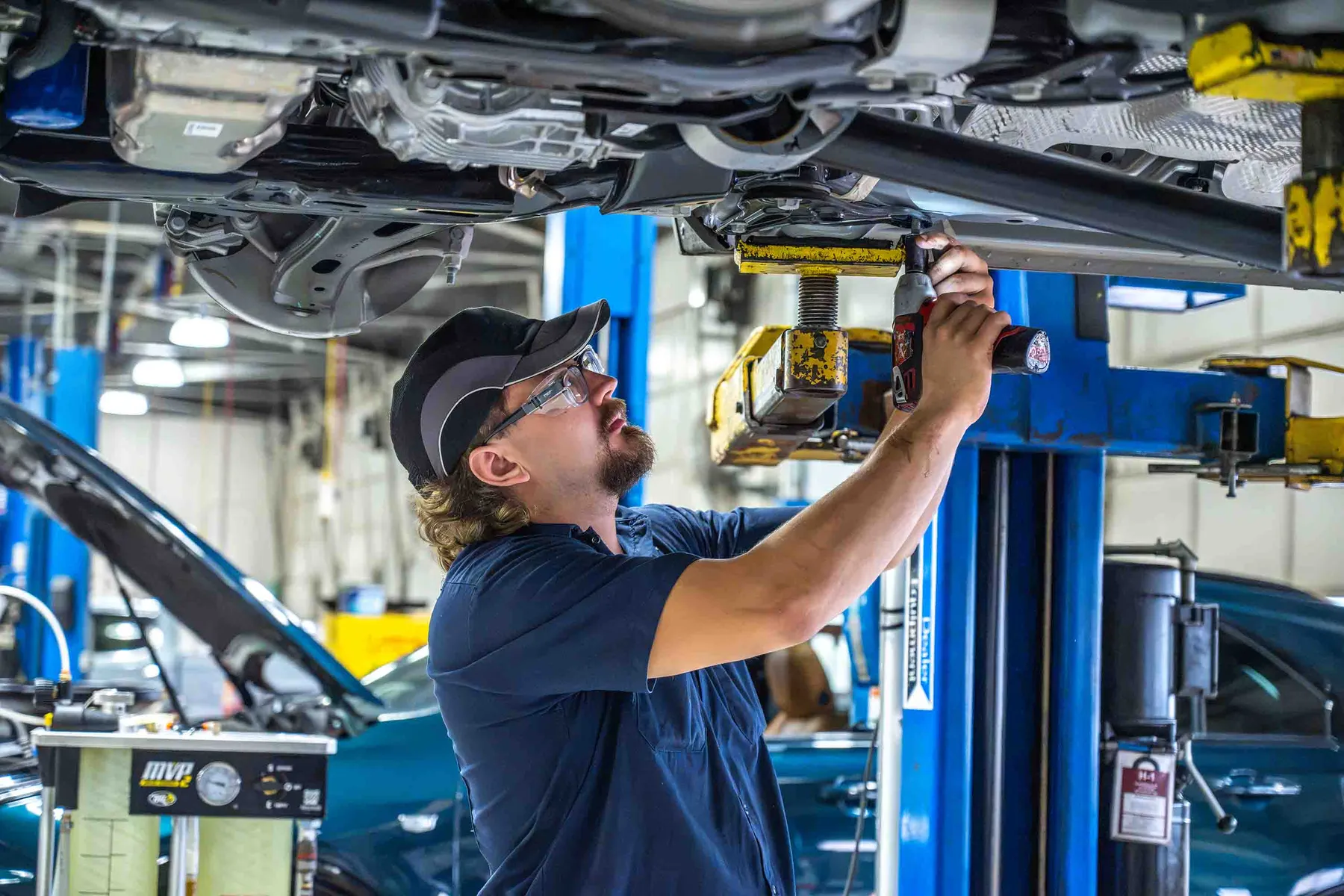
The safety inspection covers the parts that keep you in control and visible on the road. According to the DMV’s inspection checklist, inspectors look at items including:
- Brakes. The service brakes and the parking brake.
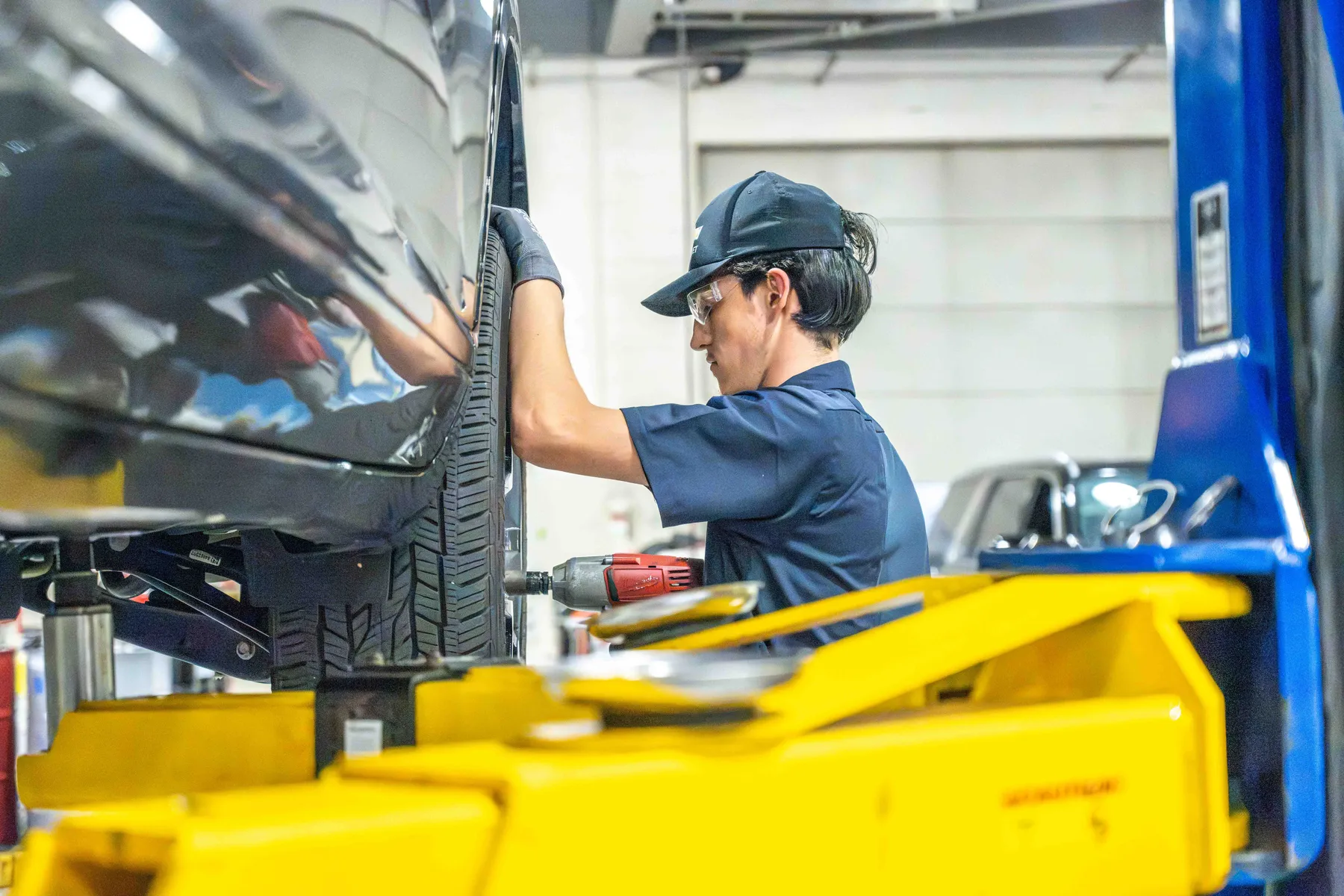
- Tires. Tread depth and condition. Tire pressure is checked as advisory only.
- Lights. Headlights, brake lights, turn signals and other required lamps.
- Steering and suspension. Excess play or worn parts.
- Seat belts, windshield, wipers and horn. They need to be present and working.
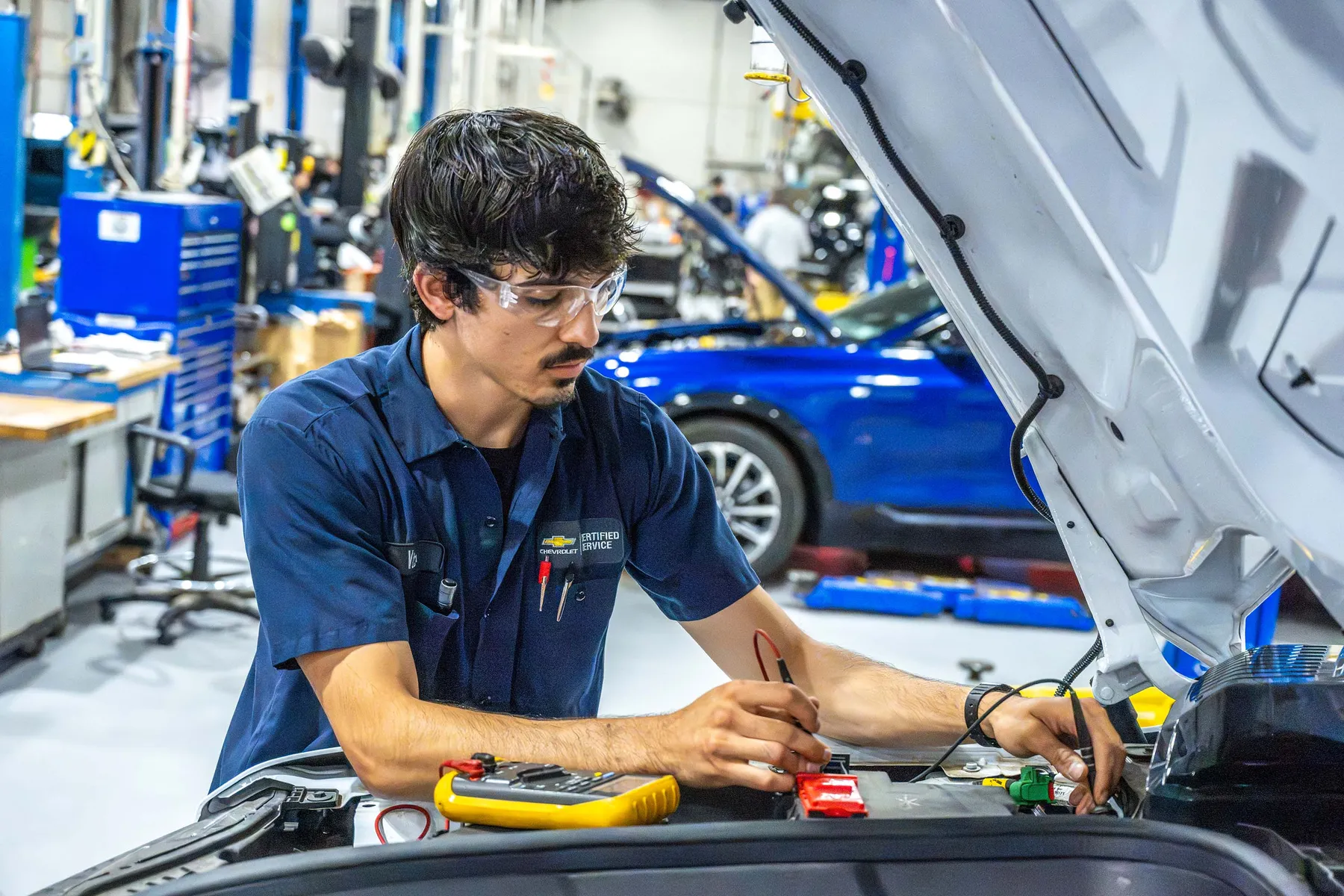
The emissions part depends on the vehicle. For most gas cars and light trucks from 1996 on, it is the OBD II check. The station connects to the vehicle’s onboard computer and reads whether the emissions systems are working, including the check engine light and the gas cap. Older and heavier vehicles may get a different emissions test. The DMV’s inspection guide lists which test applies to which vehicle.
Fully electric vehicles have no tailpipe, so the emissions check works differently for them. Confirm the requirements for an electric vehicle on dmv.ny.gov.
The fastest way to pass is to fix the common problems first: a lit check engine light, worn brakes and worn tires.
NY state inspection cost in Westchester
The DMV sets the most an inspection station may charge, and a station is allowed to charge less.
Westchester is part of the New York Metropolitan Area for inspection purposes, along with New York City, Nassau, Suffolk and Rockland. That matters because the emissions fee differs inside and outside that area. Here are the maximum fees listed on the DMV’s fee chart (form VS-77) for the most common vehicles.
| Inspection | Applies to | Max fee |
|---|---|---|
| Safety | Light vehicles | $10 |
| OBD II emissions | 1996+ light vehicles | $27 |
| Low-enhanced | Older or heavier | $11 |
Maximum emissions fee by area
OBD II emissions inspection, most 1996 and newer light vehicles
| Item | Value |
|---|---|
| NY Metro Area | $27 |
| Rest of NY | $11 |
Source: NYS DMV fee chart VS-77
These figures can change, so confirm current fees on dmv.ny.gov or ask the station when you book. Other vehicle types, such as heavy diesel trucks, have their own fees on the same DMV chart.
“Andy and his Service Staff are a godsend! Polite, honest, and compassionate! Come here for all your GM repairs!”
The most common reasons a vehicle fails
Most failed inspections come down to a handful of items you can check at home before the visit.
- Check engine light. On most 1996 and newer gas vehicles, a lit check engine light usually means a failed emissions check. Have the cause diagnosed and repaired first.
- Recent battery work. After a battery is disconnected or replaced, the onboard computer needs some normal driving to finish its self-tests. Inspect too soon and the emissions check may not be ready.
- Worn tires. Look at the tread. If it is close to the wear bars, plan on new tires.
- Brakes. Grinding, pulling or a soft pedal are signs to have them looked at.
- A burned-out bulb. Walk around the vehicle with the lights and signals on, including the brake lights.
- Wipers and washer fluid. Streaky wipers are an easy, cheap fix.
Winter makes several of these worse. Salt and slush wear wipers, dim lights and hide tire damage. Our winter car prep checklist covers what to look at before the cold sets in, and much of it overlaps with inspection.
A simple routine for inspection week
A few minutes of checking the week before your inspection can save a second trip and a second day without your vehicle.
Start with what you can see. Look at the dashboard with the engine running and note any warning lights, not just the check engine light. A tire pressure light, a brake warning or an airbag light is worth mentioning when you book, because each points to something a technician should look at. Then walk around the vehicle. Check each tire for tread depth, bulges and cuts in the sidewall. Turn on the headlights, high beams, hazards and turn signals, and have someone press the brake pedal while you watch the brake lights from behind.
Next, test the things you use without thinking. Sound the horn. Run the wipers and the washers, and top up the fluid if the spray is weak. Buckle and release each seat belt, including the rear seats your passengers use. Look across the windshield for cracks in the driver’s line of sight, since chips in the wrong place can grow quickly in cold weather.
Finally, think about the last few weeks of driving. A pull to one side when you brake, a squeal or grinding from the wheels, a clunk over bumps on Route 22 or a steering wheel that is no longer centered all tell you something has changed. None of these needs a guess at home. Tell our service advisors what you noticed, and our technicians can check the cause before the inspection rather than after a failed one.
Keep your registration document in the vehicle too, as you should whenever you drive, so the paperwork is ready if the station asks for it.
If your vehicle fails, and where to get it done
If your vehicle fails, the station tells you why, and you can have the problem repaired and the vehicle re-inspected.
Keep the paperwork the station gives you, since it lists what failed. The DMV’s site explains the rules for repairs and re-inspection. Inspections are done only at DMV-licensed inspection stations, and the DMV’s site lets you find licensed stations near you.
Walk around the vehicle with the lights and signals on, including the brake lights.
Whatever turned up, our service department can help with the repair. GMC Bedford Hills, formerly Vail Buick GMC, is at 606 Bedford Rd in Bedford Hills, and our service hours are Monday to Friday 7:30 to 5:30. Call 914-666-7537 or book a service visit online. If you are due for inspection, ask about it when you call, and tell us about any warning lights so we can diagnose them on the same visit. For more maintenance guides, see our Service & Care section and the GMC brand page.
Questions
How often is a New York State inspection due?
New York requires every registered vehicle to be inspected at least once every 12 months, before the current inspection sticker expires. The sticker expires on the last day of the month punched on it.
What does a NY state inspection cost in Westchester?
The New York DMV sets maximum inspection fees, and stations may charge less. The DMV fee chart lists $10 for a light-vehicle safety inspection and $27 for the OBD II emissions check in the New York Metropolitan Area, which includes Westchester. Confirm current fees on dmv.ny.gov.
What is checked in a NY inspection?
A New York State inspection covers safety items such as the brakes, parking brake, tires, lights, steering, seat belts and windshield, plus an emissions check for most vehicles. The DMV's inspection guide on dmv.ny.gov has the full list.
Will a check engine light fail a New York State inspection?
On most 1996 and newer gas vehicles, yes. The OBD II emissions check looks at the malfunction indicator light, so a lit check engine light usually means a failed emissions inspection. GMC Bedford Hills can diagnose the cause before your inspection.
Written by Brian Klug with the DriveWise editorial team. Prices, incentives and specifications change, so confirm details with the store before you buy. Editorial standards
Weidinger Auto: Always Moving Forward
Family-owned since 1938 · Six stores on Long Island and in Westchester